



Why Peppard chose Alrik to transform its transport operations
Peppard Building Supplies, a family builders merchant in Dunsden, Reading, has chosen Alrik to transform its transport operations and delivery offering.
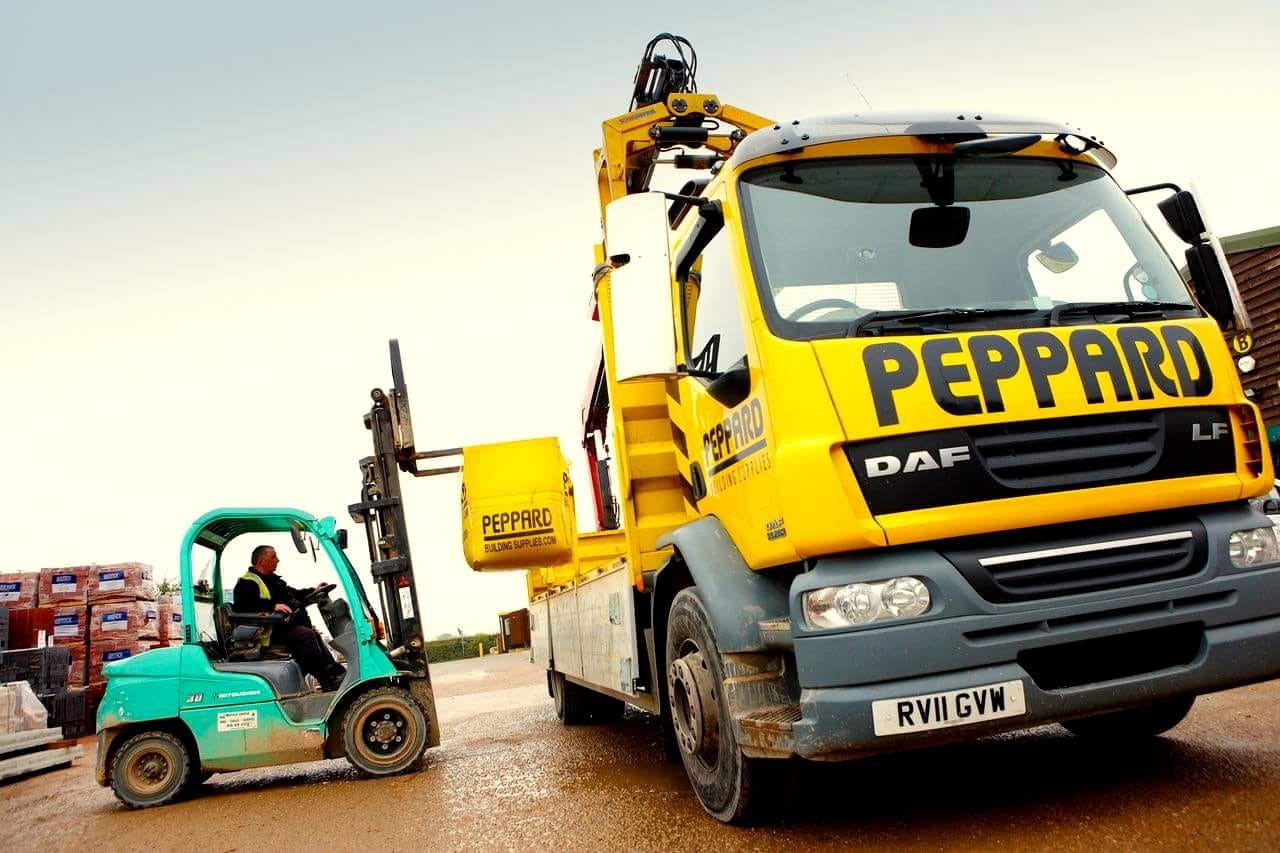
Peppard Building Supplies, a family builders merchant in Dunsden, Reading, has chosen Alrik to transform its transport operations and delivery offering. Peppard’s reasons say a lot about where AI pays off in a business, and research Anthropic published this week points the same way.
Three ways to bring AI into a business
Anthropic’s economists interviewed people at 58 companies about how they use AI at work. Their report, Working with AI, describes three approaches.
- Automate from the top. Management picks a task and hands it to software. It is quick to start, and it tends to meet fear and resistance from the people who know the work.
- Let people build their own tools. The gains are real but stay local, and somebody has to maintain what was built.
- Reorganise the work around AI. Roles get broader, people move to the tasks that hold everything else up, and the company builds shared foundations everyone can use.
The companies getting the most value were doing the third. Peppard’s decision is a clear case of it.
Why Peppard is doing it
Peppard was founded in the 1960s by local builder John Butler and is run today by his sons, Ru and Nic. Transport is the part of the business they have wanted to change for longest.
“If Alrik does what I think and hope it can, it will transform one of the last major functions within our business. Something we have been trying to do for the last twenty-five years, and a potential game changer.”
— Nic Butler, Director at Peppard Building Supplies
The aim is a whole function working differently, which is a bigger ask than one task done faster.
“We are looking to improve our resource usage by automating customer load building and delivery scheduling to reduce our cost to serve, and to offer real-time delivery information directly to our customers as part of continuing development of our Customer Excellence Plan.”
That is two goals in one sentence: a lower cost to serve, and a better delivery service for the customer.
Why it has taken twenty-five years
Two things have held merchants back, and neither is the merchant’s fault.
Software built for the average merchant. A vendor sells one product to hundreds of merchants, so it builds for the middle. Your planner knows which loads need the crane lorry and which sites can’t take a delivery before nine. The software knows none of it, so the planner carries it in their head.
Data held somewhere else. The Anthropic report is blunt about what the best results depend on: “Perhaps the most important shared infrastructure is company data.” The gains it describes came after companies had pulled their data together and opened it up to the people doing the work. A merchant’s orders, products and delivery addresses sit in the ERP. Across the sector, getting them out too often means a quote for an integration project, so merchants pay to reach information they created.
AI changes both. It can take a simple export, clean and structure it, and plan from a merchant’s own rules and history.
What changes at Peppard
Peppard is rolling out two parts of Alrik. Transport Agent builds loads, plans routes and assigns drivers. Comms Agent sends customers a text update and a tracking link for every delivery.
The report gives an example from a construction company whose project managers stopped making morning calls once an agent gathered the updates for them. The same shift is the point here. Planning the routine runs is the software’s job, and the people who know Peppard’s customers spend their time on the exceptions and on service.
For Peppard the goal is a lower cost to serve, customers who know when their delivery arrives, and one live view of every delivery across the business.
Want to see what this looks like with your own data? Get in touch at alrik.com.

